Sale
24x30x12 Vertical Roof Metal Garage
Delivery & Install Included
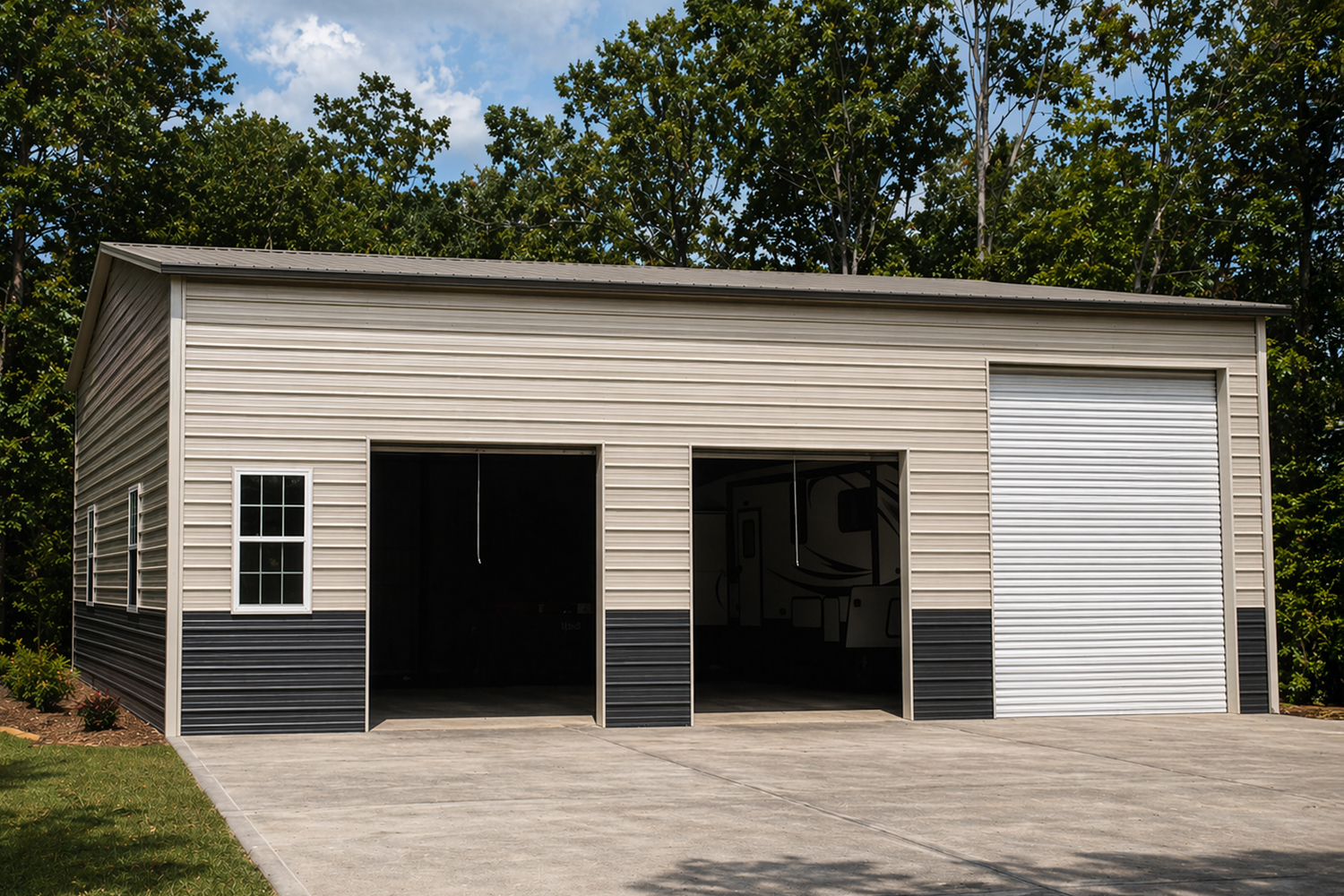
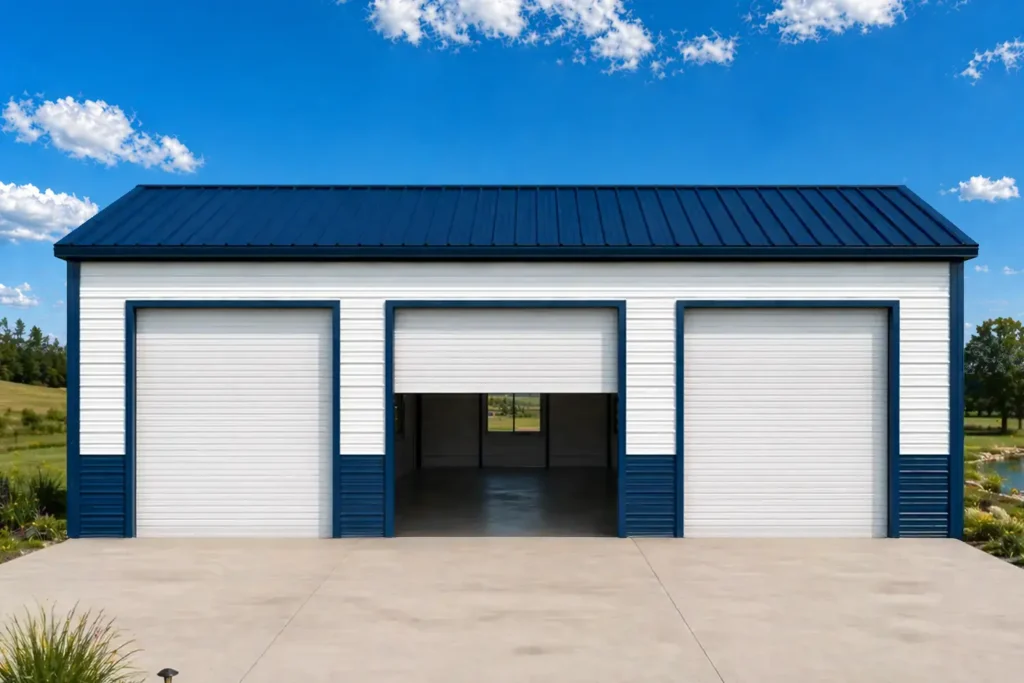
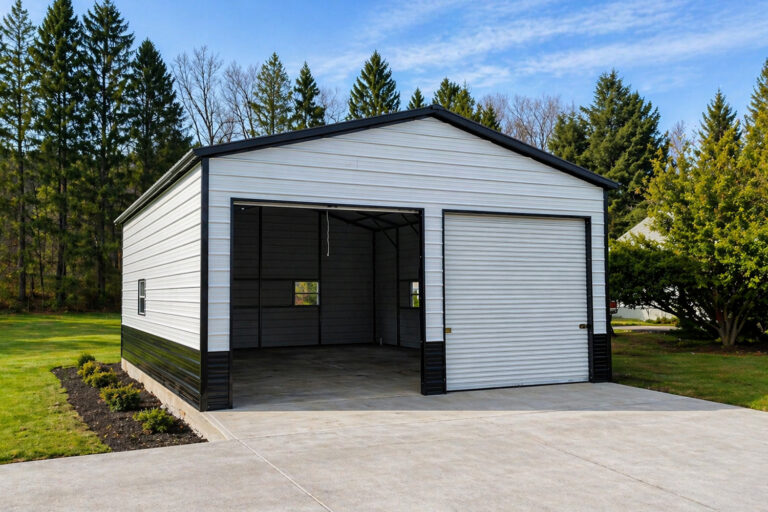
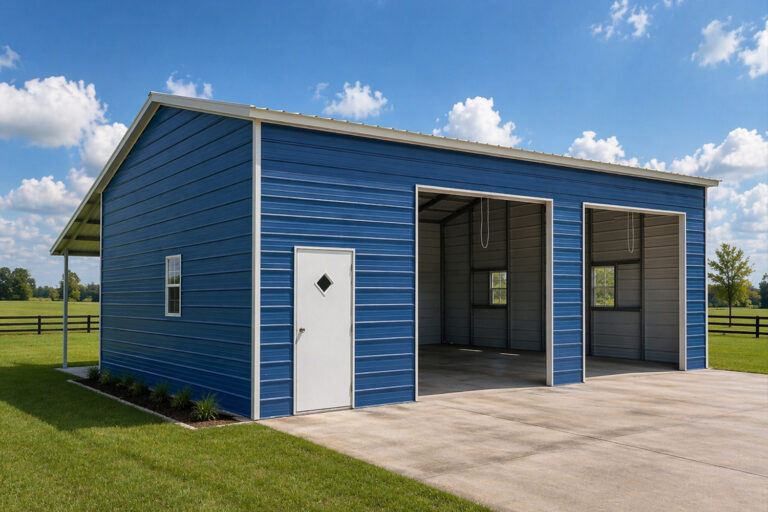
This 30x40x14 vertical roof triple wide metal garage includes two 10×10 garage doors, one 10×12 garage door, three 24×36 windows, vertical roof panels, and horizontal sides. With a wide enclosed layout and 14-foot height, this triple wide metal garage is a strong option for vehicles, equipment, storage, and workspace needs.
Delivery & Install Included
Contact us
30x40x14 vertical roof triple wide metal garage designs are built for buyers who need more room than a standard garage can provide. This building measures 30 feet wide by 40 feet long by 14 feet high, giving it a spacious enclosed footprint for multiple vehicles, equipment, tools, supplies, and work areas. With two 10×10 garage doors, one 10×12 garage door, three 24×36 windows, vertical roof panels, and horizontal sides, this garage offers a practical layout with strong usability from front to back.
This 30x40x14 vertical roof triple wide metal garage fits into the triple wide garage category because of its 30-foot width. That extra width gives the building more flexibility for vehicle storage, multi-bay access, equipment organization, and workshop use. For shoppers comparing larger metal garages, this size offers a strong balance of interior space, door access, and height.
A 30x40x14 vertical roof triple wide metal garage is a strong choice for buyers who need more than a basic enclosed garage. The 30-foot width creates a wider interior layout that can support multiple vehicles, larger equipment, and separate storage zones. The 40-foot length adds excellent depth, making it easier to organize the building around parking, work areas, shelves, tools, and equipment.
The 14-foot height is one of the biggest advantages of this garage. A taller wall height gives the structure more vertical clearance, which can be helpful for larger vehicles, taller equipment, trailers, storage racks, and workspace layouts that need more headroom. For customers who want a building that feels open and capable, this height gives the garage a more spacious and functional interior.
This garage also includes three garage doors, which gives it more access flexibility than a single-door or double-door design. The two 10×10 garage doors can work well for standard vehicle or equipment access, while the 10×12 garage door provides a taller opening for items that need additional clearance. This makes the building useful for a wide range of storage and access needs.
The triple wide layout is one of the main features of this 30x40x14 vertical roof triple wide metal garage. A 30-foot wide garage creates more flexibility than a standard-width garage because it can support multiple bays, wider storage zones, and better movement inside the building. This can be helpful for buyers who need to store more than one vehicle or who want to use part of the building as a shop or equipment area.
The three garage doors make the building even more practical. Instead of relying on one large opening, this layout gives you multiple access points that can be used for different purposes. One bay can be used for a vehicle, another for tools or equipment, and the taller 10×12 garage door can be used for larger items. This type of access setup helps keep the garage organized and easier to use.
For homeowners, this triple wide garage can work well for cars, trucks, motorcycles, lawn equipment, side-by-sides, or hobby storage. For farms and rural properties, it can help protect tractors, implements, tools, feed supplies, and maintenance equipment. For small businesses, the layout can support equipment storage, job materials, or a larger workspace.
This 30x40x14 vertical roof triple wide metal garage includes a vertical roof, which is often preferred on larger metal buildings. Vertical roof panels run from the peak down toward the eaves, helping water, leaves, and light debris move off the roof more naturally. This panel direction gives the building a clean and practical roof design that works well with the larger 40-foot length.
The vertical roof also gives the garage a sharp finished look. On a larger triple wide garage, the roofline has a major impact on the overall appearance of the building. The vertical roof helps the structure look more complete, more defined, and more like a traditional garage profile while still keeping the strength and practicality of steel construction.
Because this garage is 40 feet long, the vertical roof is especially appropriate. Longer buildings often benefit from the vertical panel direction and added roof structure. Buyers who want a strong roof style for a larger garage layout will usually prefer this type of roof over simpler options.
This garage includes horizontal sides, giving the walls a clean and familiar steel building look. Horizontal siding is common across metal garages, carports, barns, and storage structures because it creates a simple, finished appearance. On this building, the horizontal sides pair well with the vertical roof, giving the garage a balanced look from the roofline down to the wall panels.
Horizontal sides also work well with many color combinations. Whether the finished building uses a dark roof, light wall color, matching trim, contrasting trim, or colored garage doors, this panel layout helps keep the structure visually organized. For a larger building like this 30x40x14 vertical roof triple wide metal garage, clean panel lines can make a big difference in the final appearance.
This garage includes three 24×36 windows, which adds useful natural light to the enclosed space. Windows can make the inside of a garage feel more open and more usable, especially when the building is used as a workspace, hobby area, or equipment storage building. Natural light can also make it easier to move through the garage during the day without relying only on artificial lighting.
The 24×36 window size is a practical choice for this type of metal garage. It adds light without overwhelming the design of the building. For buyers who plan to use part of the garage as a work area, the windows can help make the space feel more comfortable and easier to organize.
This 30x40x14 vertical roof triple wide metal garage is best suited for buyers who need a wide enclosed building with multiple access points. Compared to a smaller standard garage, this design gives you more space, more height, more doors, and more flexibility. It is a strong choice for properties where one vehicle bay is not enough or where equipment and workspace need to share the same structure.
If you are comparing different building types, this garage is best for enclosed storage and multi-bay access. Open-sided metal carports are useful for overhead coverage, but a garage like this gives you a more complete enclosed layout. Buyers who need farm-focused storage may also compare this building with metal barns, while RV owners may prefer taller or more open metal RV covers.
For business use, this garage may also be compared with commercial metal buildings. While commercial buildings generally start at wider sizes, this 30-foot wide triple garage still offers a large and practical enclosed space for many storage, work, and equipment needs.
This 30x40x14 vertical roof triple wide metal garage combines a spacious 30-foot width, 40-foot length, and 14-foot height with three garage doors and three windows. The two 10×10 garage doors, one 10×12 garage door, vertical roof, and horizontal sides create a useful layout for vehicles, tools, equipment, and workspace.
For buyers who want a larger garage without moving into a full commercial-width structure, this product offers a strong balance of space and function. The vertical roof supports a clean roofline, the horizontal sides provide a simple finished look, and the triple wide layout gives the building the room needed for everyday property, farm, residential, or small business storage needs.
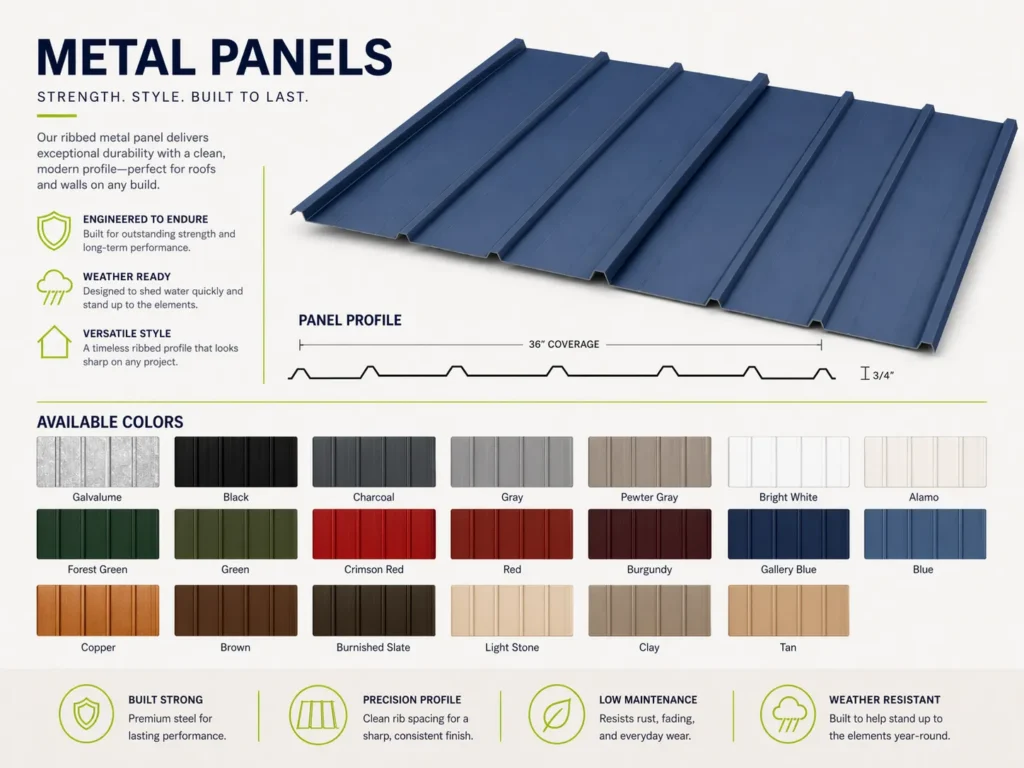
| Building Color | Alamo, Black, Blue, Bright White, Brown, Burgundy, Burnished Slate, Charcoal, Clay, Copper, Crimson Red, Forest Green, Gallery Blue, Galvalume, Gray, Green, Light Stone, Pewter Gray, Red, Tan |
|---|---|
| Garage Door Color | Alamo, Black, Blue, Bright White, Brown, Burgundy, Burnished Slate, Charcoal, Clay, Copper, Crimson Red, Forest Green, Gallery Blue, Galvalume, Gray, Green, Light Stone, Pewter Gray, Red, Tan |
| Roof Style |
Sale
Delivery & Install Included
Sale
Delivery & Install Included
Sale
Delivery & Install Included
Sale
Delivery & Install Included
Yes, code requirements can vary depending on the building type, intended use, location, and occupancy. Commercial structures may require different engineering, permitting, or structural considerations than residential buildings.
Commercial buildings may involve different site preparation, engineering, permitting, and installation timelines depending on the size and intended use of the project. Larger structures often require additional coordination before installation.
Engineering plans are not always included in the base building price. Depending on the project and location, they may be offered separately at an additional cost.
Lead times can vary throughout the year based on demand, weather, region, and production volume. During busier seasons, scheduling may take longer than normal.
Yes, special installation conditions such as raised walls, difficult access, custom anchoring, or other unusual site requirements may involve additional charges. These should be discussed before installation is scheduled.
Yes, custom anchoring beyond standard surface-based anchoring may involve additional labor and material charges. The exact cost depends on the site conditions and the anchoring solution required.
Yes, our metal buildings are built for strength, durability, and long-term performance. Material quality, proper anchoring, site preparation, and meeting code requirements all play an important role in how the building performs over time.
Buildings can often be configured in a variety of ways, including fully enclosed, partially enclosed, or open layouts. The final design depends on the model you choose and how you want to use the structure.
Yes, metal building components are typically manufactured using galvanized steel to help resist corrosion and improve long-term durability. This added protection helps the structure perform better in a variety of conditions.
Additional anchoring may be available depending on the site conditions, surface type, and project requirements. If your property has special concerns, it is best to discuss them before ordering so the correct setup can be planned.
Yes, commercial buildings can often be planned with project-specific engineering based on the required use, local codes, and structural demands. This may include additional design considerations depending on the application.
Yes, many buildings can be designed with a lean-to as part of the layout. Lean-tos can add covered space for parking, storage, or sheltered access depending on your needs and building design.
Insulation options may be available depending on the building type and design. If insulation is important for your project, it should be discussed early so the building can be planned with that in mind.
Yes, many structures can be designed to include roll-up garage doors in a variety of sizes. Door placement and size should be planned before ordering so the building can be designed correctly for your needs.
Yes, all our designs are customizable, you can add windows, barrel garage door, personnel access doors, lean-to’s and openings as per your requirements. In addition, your selection of windows and doors is not limited to those sold by Blue valley, most any window or door can be installed in our units, thus allowing you to match your building’s windows and doors to those currently installed in your home.
Yes, many metal buildings offer color choices for the roof, trim, and siding so you can create a look that matches your home, business, or personal preference. Available colors may vary by manufacturer and model.
Yes, building dimensions can often be customized to better fit your property, intended use, and layout needs. Width, length, and height options may vary depending on the model and engineering requirements.
Yes, metal buildings can often be configured for a wide range of uses including workshops, garages, barns, equipment storage, and more. The layout, doors, height, and openings can be planned around how you intend to use the building.
Yes, many building styles can be configured with one or more open sides depending on how you plan to use the structure. Open designs are common for shelters, covers, and certain agricultural or commercial applications.
Specific installation dates may not always be guaranteed because routing and scheduling depend on crew availability and regional timing. You can communicate your preferences, and the scheduling team can let you know what may be possible.
In many cases, rescheduling may be possible, but changes can affect timing and may create additional delays depending on crew routing and availability. It is best to communicate any changes as early as possible.
Some updates may still be possible after submission, but it depends on the status of the order and how close it is to scheduling or installation. Changes requested early are easier to review and process.
Changes may be possible after ordering, but availability depends on how far the project has moved through processing and scheduling. The sooner you request changes, the more likely they can be reviewed before installation planning is finalized.
Yes, severe weather or unsafe site conditions can delay installation. Rain, strong winds, saturated ground, and other weather-related issues may affect scheduling in order to protect the crew, materials, and your property.
A building may be able to be installed on ground-based surfaces, but the area must be properly prepared, leveled, and suitable for anchoring. Soft or unstable ground can create installation issues, so site preparation is very important.
Yes, we can install structures on a raised wall. Our experienced installation teams are equipped to accommodate various site conditions, and we can work with you to ensure a seamless installation on raised walls, providing both functionality and aesthetic appeal to your project. There may be additional costs involved.
Gravel installations may be possible depending on the site conditions and the type of structure being installed. The surface must be properly prepared and compacted so the building can be anchored correctly and perform as expected.
The installation area must meet leveling requirements before the building can be installed. Sloped or uneven property may require grading, excavation, or another form of preparation before installation can move forward.
In many cases, certified plans can be provided based on your location and project requirements. The exact availability and cost depend on the codes, loads, and specifications required for your area.
Yes, anchoring systems vary depending on whether the building is being installed on ground, concrete, asphalt, or another approved surface. The correct anchor type helps ensure the structure is secured properly for the installation surface.
Not always. Some buildings can be installed on surfaces other than concrete, but the best foundation depends on your site conditions, intended use, and local code requirements. A concrete pad is often recommended for long-term stability and a cleaner finished look.
Permit requirements vary by county, city, and project type. We recommend checking with your local permitting office before ordering so you know exactly what is required for your site and intended use.
It is strongly recommended that someone be available during delivery and installation in case the crew has questions or needs approval to address site-specific concerns. Being available can help prevent delays and keep the project moving smoothly.
Yes, the installation area should be cleared of obstacles that could interfere with delivery, unloading, or assembly. This includes trees, fences, low branches, debris, vehicles, and anything else that may restrict crew access or workspace.
Yes, metal buildings can be used for many commercial applications depending on the size, layout, and local requirements. Commercial projects often need more planning to ensure the structure fits the intended business use.
Yes, our buildings come with drawings, but these are available for an additional fee. The cost of these plans varies depending on local building codes and the specific requirements of your structure. While generic engineering plans are offered to provide a basic understanding of how our buildings are constructed, detailed and customized plans tailored to your location or unique specifications are typically required and come at an extra charge. The cost of each set of drawings varies by project, location, specifications, and other factors. These plans are crucial for ensuring your building meets all permitting and safety regulations, giving you peace of mind about its structural integrity.
It can. Raised-wall installations may require additional labor, planning, or special setup depending on the project, which can result in added cost.
It is crucial that your ground be within 3-4 inches level before your unit can be installed. We recommend you get it professionally done. If this or any of the following criteria are not met, our Installer’s will not be able to install your building. Please contact one of our Customer Service Agents if you have any questions.
Our install crew will arrive in a Truck and Trailer (55-60 ft in Length) to bring your building to the job site. Please ensure you have room for them to reach the job site, unload and turn around their truck & trailer. Please make scheduling aware of any obstacles that may be of concern that would hinder their process, such as a steep hill or sharp curve they will have to attempt to climb or work around.
Larger commercial installations can take longer than smaller residential projects depending on the size, complexity, site conditions, and access. Installation timelines vary by job and should be reviewed during the planning process.
Once your order has been placed it will be reviewed for pricing accuracy and sent to the scheduling department. You will be assigned a scheduling contact person. You will receive a phone call (and/or email/text) to see if are ready for installation. Typically this will be 2-4 days prior to one of our installation crews being in your area. Due to the volume of customers inquiries you will not receive contact until our crews will be coming through your area. It is important to accept calls from our office when we call so that way we know you are available. Missed scheduling calls could result in rescheduling delays and potential reschedule or return-trip fees.
Typically, our efficient installation process allows for the completion of your building within one day. For larger projects, we allocate additional time, extending the installation to two days. Rest assured, our skilled teams work diligently to ensure a prompt and precise setup, regardless of the project scale. Commercial projects may take longer depending on size.
You should leave enough space around the building site for the delivery truck, material staging, crew movement, and safe installation. Tight spaces can slow down the process or prevent installation if the crew cannot work safely.
The crew needs enough space to unload materials, move around the structure, and safely assemble the building. Limited access or tight working conditions can make installation more difficult and may require extra planning.
Scheduling depends on order volume, your location, crew availability, and whether the site is ready for installation. Once your order is processed, the scheduling team will contact you when your project is approaching an available installation window.
Concrete slab thickness can vary depending on the size of the building, how the structure will be used, and local code requirements. We recommend working with an experienced concrete contractor and checking with your permitting office for the appropriate slab specifications for your project.
You will typically be contacted by phone, email, or text shortly before a crew is expected to be in your area. It is important to respond promptly so your installation can be confirmed without unnecessary delays.
Standard anchoring is generally included based on the surface type for the installation. If the site requires a non-standard solution or special conditions are involved, there may be additional charges.
Final pricing can be affected by building size, height, gauge, custom options, site conditions, engineering needs, delivery access, anchoring requirements, and other project-specific details.
Our buildings are exclusively crafted from high-quality metal, ensuring durability, longevity, and structural integrity for our customers. We provide a choice of steel gauges to suit your specific requirements, offering both 14 Gauge and 12 Gauge Steel tubing, as well as durable 29 Gauge sheet metal for all of our buildings.
After your order is placed, it is typically reviewed for accuracy, processed internally, and then moved into scheduling. Once your project is nearing an available installation window, you will be contacted by the scheduling team.
Missing a scheduling call can delay your installation or result in your project being moved to a later opening. Staying available and returning calls quickly helps avoid rescheduling issues and additional delays.
If your area has specific wind, snow, or other structural load requirements, that information should be provided before ordering. Additional engineering or upgrades may be needed to ensure the building is designed appropriately for your location.
If the delivery truck cannot safely access the property, installation may be delayed or rescheduled until the access issue is resolved. It is important to communicate any steep grades, narrow turns, gates, or other obstacles before your scheduled delivery.
Soft, muddy, or recently filled ground may not be suitable for installation until it has been properly compacted and stabilized. An unstable surface can affect anchoring, building alignment, and overall performance.
The main difference is thickness. A lower gauge number means thicker steel, so 12 gauge framing is heavier than 14 gauge framing. The best choice depends on your building size, intended use, and any local code requirements.
Before the crew arrives, make sure the site is level, clear of obstacles, accessible for a truck and trailer, and ready for installation. It is also important to confirm that any required concrete, permitting, or site preparation has already been completed.
All Concrete Pads are Recommended to pour 2″ wider on all sides. Units 18×20 need to have 18’4″x20’4″ Concrete Pad. We recommend that you work with an experienced concrete professional to guide you on how to pour a concrete pad based on your setup and needs. The recommended depth of your concrete pad and other general ideal concrete guidance will vary depending on your area. Be sure to check with your local permitting office to ensure you are within their guidelines for your concrete pad and structure.
Concrete installations typically use concrete anchors designed for that surface type. The exact anchoring method may vary depending on the building, slab condition, and project requirements.
Available roof styles can vary by building type and design, but many metal buildings are offered in options such as regular, boxed eave, and vertical roof styles. The best option depends on your budget, appearance preferences, and intended use.
Our buildings use durable sheet metal designed for long-term performance and weather resistance. Sheet metal specifications can vary by building style and order requirements, but 29 gauge panels are commonly used.
All of our structures come with the anchoring that matches the surface type. Installation on ground comes with rebar and 3-ft mobile home anchors, while concrete surfaces come with concrete anchors. Asphalt comes with asphalt anchors. Custom anchoring requirements beyond ground/gravel, concrete, or asphalt may be subject to an additional installation fee for labor.
The property owner is responsible for confirming permit requirements, zoning rules, setbacks, and any local restrictions before installation. This helps avoid delays, redesigns, or unexpected costs.
If you need to make changes after placing your order, you should contact your salesperson or the appropriate customer service representative as soon as possible. Quick communication gives the best chance of updating the order before scheduling progresses.
Yes, our buildings are designed to meet or exceed local code requirements. We prioritize compliance with building standards, and our structures are crafted with precision to ensure they adhere to the necessary regulations in your area, providing you with a secure and code-compliant solution. Please give your code requirements to your salesperson prior to placing your order incase additional engineering is required to meet your specific local code requirements.
Yes, orders are generally reviewed before scheduling to confirm pricing, options, and project details. This helps reduce mistakes and ensures the order is ready before it moves forward.
The crew will typically clean up installation-related materials and debris from the immediate work area after the building is completed. Keeping the site generally clear before installation also helps with a smoother cleanup process.
Try a different category or search term.
Choose a purpose-built entry door that’s made to fit and perform on a metal building.
Our diamond window and solid doors are USA-made FRP units with a UV-coated, pebble-textured surface, bonded to thick polyurethane foam for added rigidity and insulation, then pre-hung in a welded aluminum frame for a tight, secure install.
For a more traditional look, the 9-lite premium steel door adds natural light with single-pane glass and offers durable, rust-resistant performance with easy upkeep.
Common sizes include 32″ x 72″ and 36″ x 80″ for diamond doors, and 36″ x 80″ for the 9-lite steel door.
Add natural light and airflow to your building with aluminum-framed windows. They help brighten the interior, improve visibility, and create a more comfortable space.
Roll-up garage doors provide dependable access while keeping a clean, compact design. Built from 26-gauge steel, they are designed for long-term use and smooth operation.
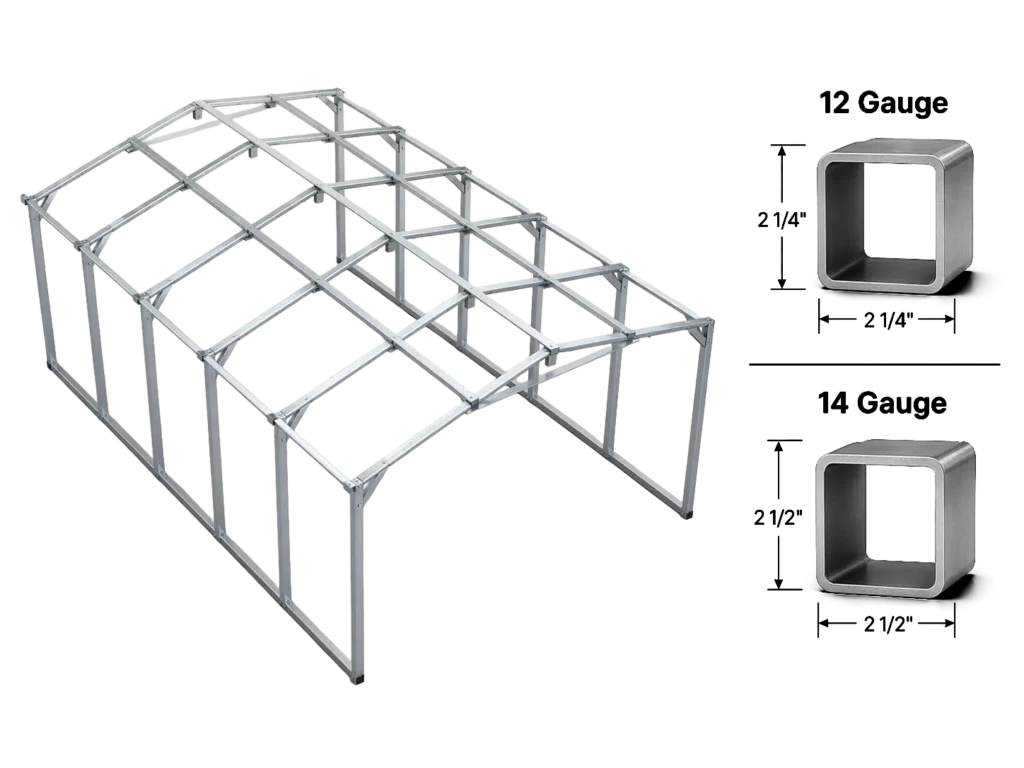
Our steel buildings and carports are built with either 14-gauge or 12-gauge steel framing.
The 14-gauge frame (typically 2½” x 2½”) is the most common option and works great for many standard applications.
The 12-gauge frame (typically 2¼” x 2¼”) offers higher tensile strength and is often recommended for high-wind or heavy-snow areas, or for taller carports over 10 feet.
Rust-perforation limited warranty coverage is 10 years on 14-gauge frames and 20 years on 12-gauge frames.
Give your building a clean, durable exterior with 29-gauge metal panels built for everyday protection and long-lasting curb appeal. Used on the roof, sides, ends, and gables, these panels help create a finished, professional look while offering dependable coverage in 20 available color options.
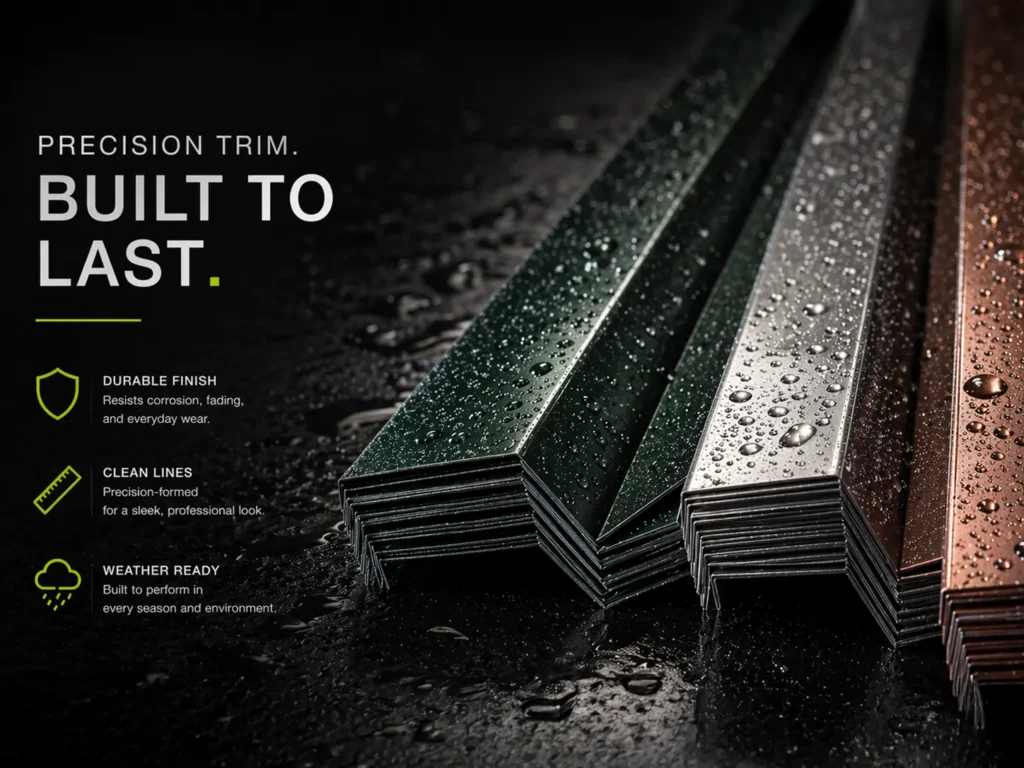
Finish your building with clean, formed trim that helps cover edges, corners, and transitions while giving the structure a sharp, completed look. Trim adds protection where panels meet and creates a cleaner appearance across the roofline, walls, doors, and openings.
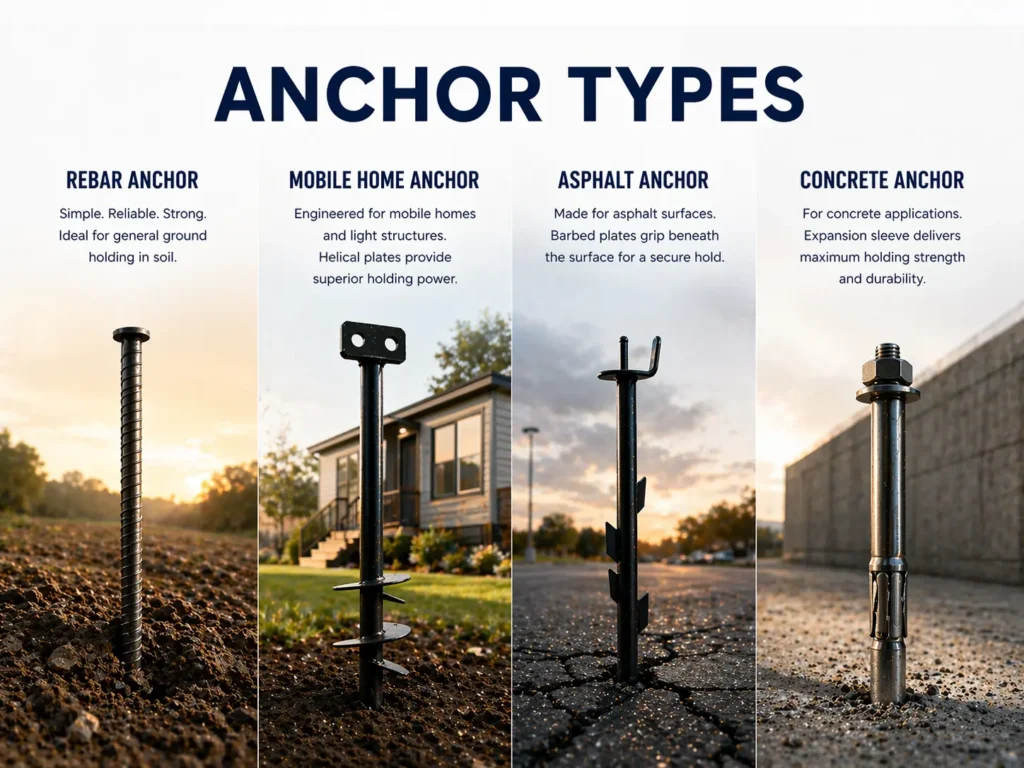
Anchors are chosen based on the surface your building sits on.
Rebar Anchors
3-foot straight rods used in dirt or gravel. They go through the base rail into the ground and are considered temporary anchors with no wind warranty.
Mobile Home Anchors
30-inch corkscrew anchors used in dirt or gravel. They are normally placed inside the base rail. If the building is moved, these anchors must be cut and replaced.
Asphalt Anchors
30-inch anchors made specifically for asphalt. They are driven into the asphalt and installed similarly to mobile home anchors.
Concrete Anchors
6-inch by 1/2-inch red-head anchors used for concrete pads. The pad should extend at least 3 inches past the building on all sides to help prevent cracking. Northedge Steel is not responsible for concrete damage during standard anchoring.
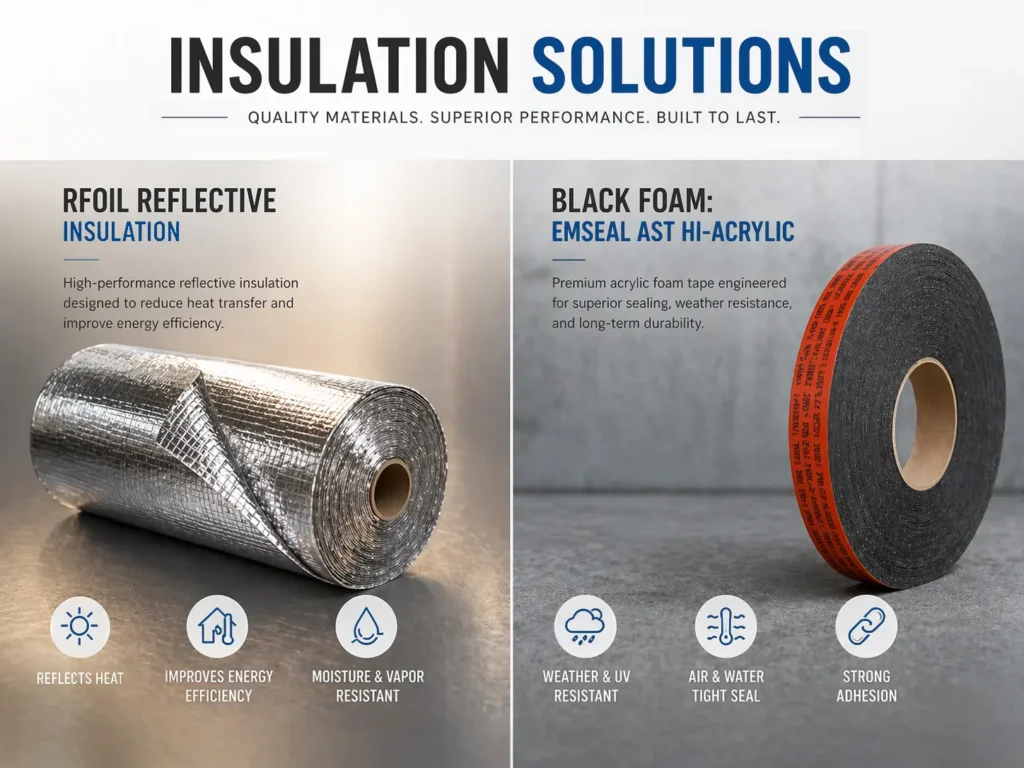
Insulation helps improve comfort, reduce heat transfer, and protect the inside of your building from moisture and condensation.
rFOIL Reflective Insulation
rFOIL reflective insulation uses layered bubble material with reflective metalized surfaces to help control radiant heat gain and loss.
Black Foam Sealant Tape
Black foam sealant tape is used around metal building joints to help block dust, air, moisture, and wind-driven snow.
How It Works
Our streamlined process makes your next building project simple and stress-free.
Tell us what size, style, and options you want for your building.
Your building layout and structure are prepared for production.
Your building components are produced with your selected specs.
Your building is delivered and assembled at your location.
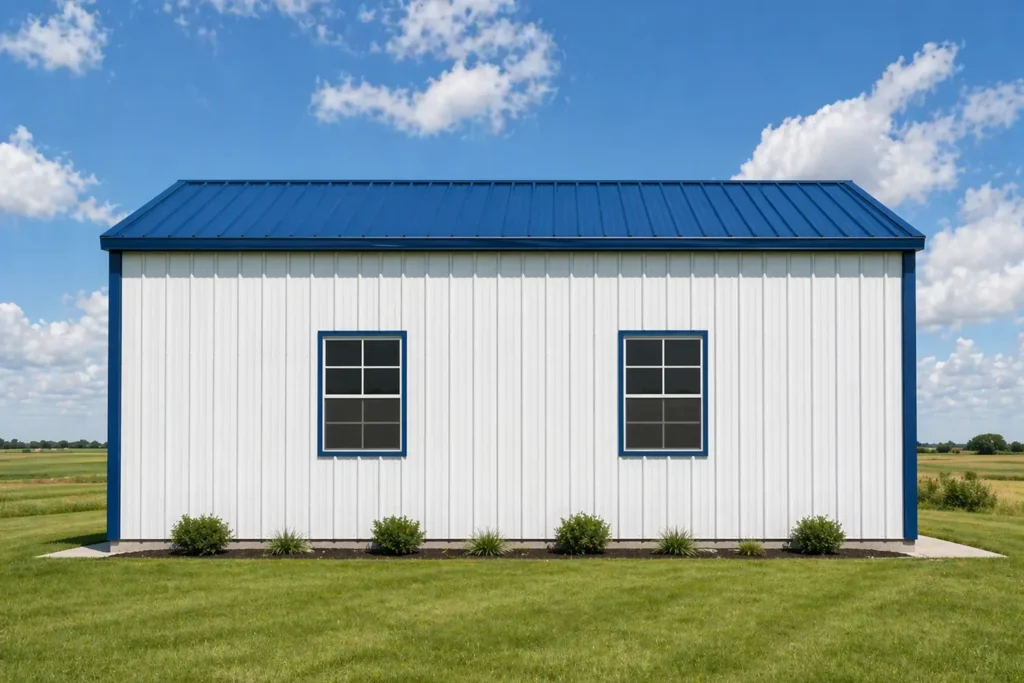
Use our 3D Builder to design your metal building in minutes—choose your size and layout, then preview the look before requesting pricing.
Flexible financing options can make it easier to get the building you need now—explore plans designed to fit your budget and timeline.
Find quick answers to common questions about metal buildings, options, and the buying process—so you can move forward with confidence.
Have a question or need help choosing the right building? Reach out and a building specialist will get back to you with clear answers and next steps.
Get first access to new deals, limited-time specials, and fresh inventory as soon as it's available. Subscribe and we'll send occasional updates.
Reviews
There are no reviews yet.